Study apps matching your study style have made it much easier & faster to learn Spanish online in 2026. It’s important to understand the language for travel, work, study, and daily communication because millions of people speak Spanish across Spain, Latin America, and other parts of the world.
Every learning app doesn’t use the same way to teach Spanish. Although some focus on vocabulary, others use grammar lessons, games, audio practice, or real-world conversations.
Pimsleur is worth considering for learning Spanish fast because it uses listening & speaking at its lesson’s centre. Babbel & Duolingo are also reliable options for structured exercises or short daily practice.
Quick Comparison of Spanish Learning Apps
| Apps | Main strengths | Learning style |
| Pimsleur | Speaking & listening | Audio-based lessons |
| Babbel | Grammar with structured learning | Short lessons |
| Duolingo | Daily practice for beginners | Gamified lessons |
Pimsleur: Best for Learning Spanish Through Speaking
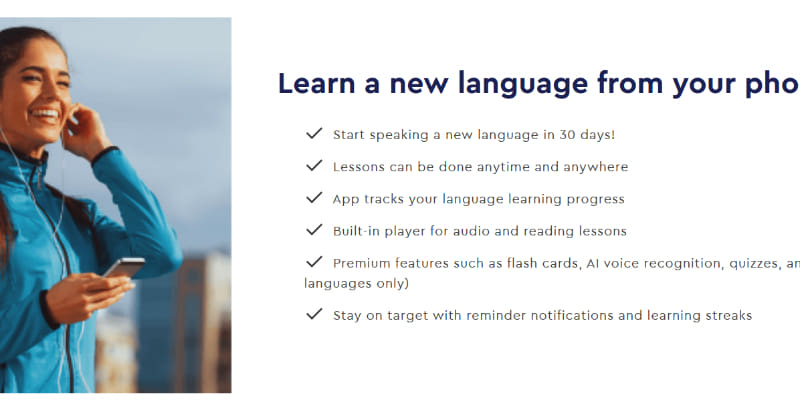
This audio-first language learning app is designed around spoken lessons. 30-minute sessions are present in its Spanish course where you listen, respond, repeat phrases, and recall vocabulary during the lesson.
It is ideal for starting to speak Spanish instead of spending most of the time memorizing words or vocabulary.
How Pimsleur Works
Pimsleur uses conversations and guided audio practice to introduce vocabulary and grammar. It doesn’t ask you to translate a Spanish sentence. The lessons here instead motivate you to remember and produce responses yourself.
For example, you may hear a phrase, learn its meaning, and then be asked to produce a similar sentence. It is helpful to become more comfortable in forming sentences without repeatedly checking translation.
Pronunciation practice is also available on Pimsleur. It also offers a voice coach feature where you can get feedback while practicing speaking.
Its driving mode also makes it suitable for practice while commuting, walking, or doing household tasks. It removes the need to look at your phone to complete a lesson.
Why Pimsleur Can Help You Learn Spanish Fast
Understanding words on a screen isn’t usually enough to learn a new language. You must hear and understand the Spoken Spanish and produce your own response. Pimsleur puts these skills at a large share of your study time.
Its audio lessons also motivate active participation because they help build speaking confidence and listening ability. Castilian Spanish option is also available here for learners to access the variety spoken in Spain.
Pimsleur Pros and Cons
Pros:
- Deep focus on speaking & pronunciation
- Audio lessons eliminate the need to look at the screen
- Around 30-minute lessons are helpful for those with a busy schedule
- Pronunciation feedback is also there
- Cons:
- Less focus on reading & writing
- Limited grammar explanation
- Narrow vocabulary coverage
- Subscription needed for full access
Babbel: A Good Choice for Structured Spanish Lessons
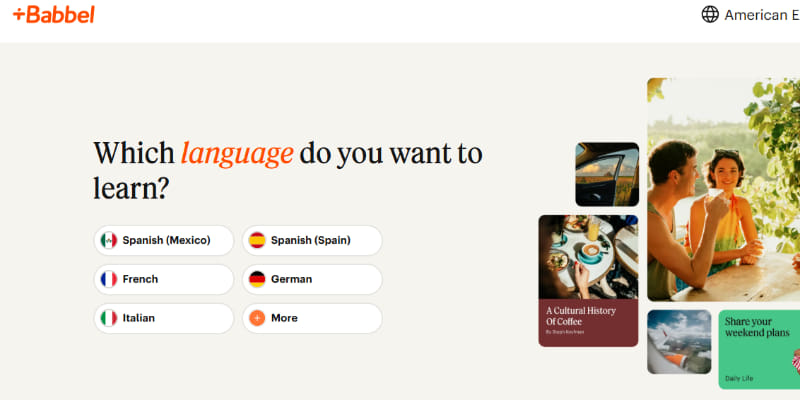
Traditional learning approach isn’t available on Babbel. Vocabulary, grammar, listening, speaking, and short exercises are combined here in 10 to 15 minutes lessons.
It is ideal for learners who are looking for the reasons behind specific Grammar sentence structures. Grammar tips are also available here instead of being ignored for a separate lesson.
Learners also get a chance for pronunciation practice here through its speech recognition feature. Babbel is therefore a perfect alternative to the audio-first learning program.
Duolingo: Good for Building a Daily Habit
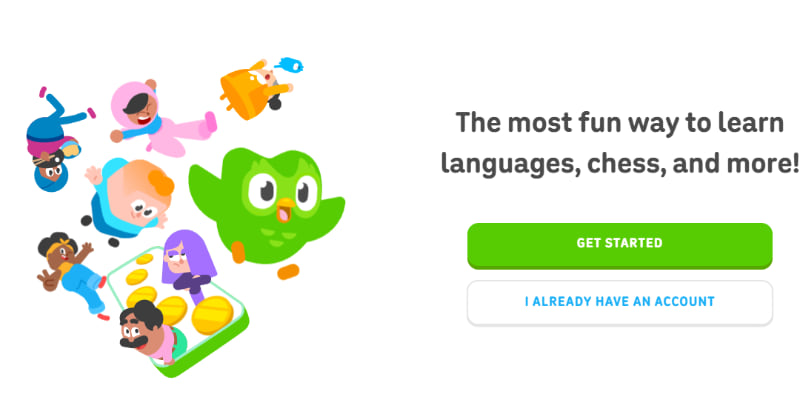
Duolingo uses a gamification feature to convert traditional learning into a gaming experience. Its lessons cover vocabulary, sentence formation, listening, and basic grammar through short exercises.
Its free version is perfect for those with a low budget because learners can access its basic lessons here without paying anything. Daily goals & progress tracking are also available here to keep learners returning daily.
Duolingo should, however, not be treated as a complete learning course, as it only helps in developing a foundation. Regular speaking practice, meanwhile, is still needed to achieve the goal of comfortable spoken Spanish.
How to Learn Spanish Faster With an App
Consistency is more important than using an app for 4 to 5 minutes daily.
It would be best to set aside 20 to 30 minutes for learning Spanish. Complete 1 lesson on Pimsleur, and repeating the responses would be enough to improve your learning. You can also add a few more minutes to understand vocabulary or read simple Spanish sentences.
Watch beginner-friendly videos, read short articles, or practice conversations with Spanish speakers after gaining confidence with it.
Read more: Notion Alternatives: 3 Apps Like Notion (My Favorite)
Praktika AI Review in 2026 After Using It for 3+ Years
Rosetta Stone vs Babbel vs Duolingo: Which Language-Learning App Is Best?
How to Choose the Best App to Learn Spanish Fast
Your goals, schedule, and preferred learning style are the important factors in selecting the Best app to learn Spanish. An app with audio lessons, pronunciation practice, and real-life conversations is perfect for improving your speaking and listening skills. Pimsleur is a strong option because it focuses on listening & speaking practice.
Babbel is also perfect for its grammar explanations and structured exercises. Beginners may like Duolingo for its short and game-like lessons. It’s however the best to check the available features, lesson format, and pricing to see whether the app matches your expectations.
Tips to Learn Spanish Faster With an App
Regular use of an app is helpful for steady progress in Spanish learning. The following tips are also helpful for learning:
- Practice daily: Keep 20 to 30 minutes for language learning in your daily schedule instead of studying 2 to 4 hours once a week or month.
- Speak aloud: It’s also best to repeat the words and sentences to improve pronunciation and become more comfortable speaking Spanish.
- Review old lessons: Revise previously learned lessons to remember them.
- Use Spanish in daily life: It’s also best to listen to Spanish podcasts, watch beginner-friendly videos, or change the language on your mobile settings.
- Track your progress: Setting small goals like learning new phrases or completing a specific number of lessons is also an important habit for learning a language.
Consistency is more important than completing many lessons in one go. You may also combine app lessons with developing listening and speaking practice to build stronger language skills over time.
Can You Learn Spanish Fast With a Free App?
Free apps are indeed helpful to build basic Spanish vocabulary and learn common phrases for beginners. Duolingo’s free learning experience is best for starting without paying for a subscription. There are advertisements and some restrictions in free versions.
Extra speaking practice may be needed to hold conversations confidently. This is where Pimsleur or Babbel’s learning features are best for matching your goals based on the plan you select.
Paying immediately isn’t needed to start learning Spanish. It’s best to start with a free option, establish a daily routine, and consider a paid subscription if its features address your specific learning needs.
FAQs
Which app is best for learning Spanish fast?
Pimsleur is a strong choice to improve speaking and listening through daily audio lessons.
Can I learn Spanish with Duolingo alone?
Duolingo helps you build vocabulary and maintain a daily study habit. It may not be enough for real speaking practice.
How long should I study Spanish every day?
Around 20 to 30 minutes of focused practice is a practical starting point. Regular daily study is, however, more useful compared to occasional long sessions.
Verdict
Pimsleur is a strong choice to improve Spanish speaking and listening skills through regular audio practice. It is useful for busy learners as it offers 30-minute lessons, pronunciation work, and a hands-free format.
Babbel is also ideal for short and structured lessons with more grammar support. Duolingo also offers an easy way to practice daily. The ultimate choice often depends on your specific needs for learning.